

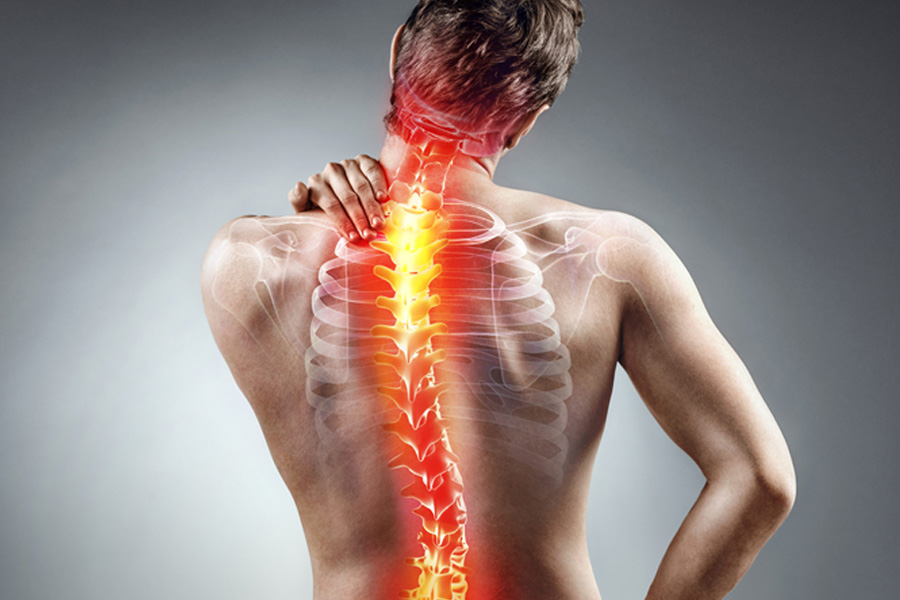
Back pain can begin after a clear injury, develop gradually over time, or appear without an obvious trigger. While some episodes improve with rest and appropriate care, others persist for weeks or return repeatedly. The difference is not always related to the initial severity of the pain. Several physical and lifestyle factors can influence recovery, making it important to understand the broader circumstances surrounding persistent discomfort.
The Original Cause Has Not Been Clearly Identified
Back pain is a symptom rather than a single condition. Muscle strains, irritated joints, disc problems, nerve compression, and changes in spinal structures can produce discomfort that may initially feel similar. When treatment focuses only on reducing pain without understanding its likely source, improvement may be temporary.
A thorough assessment considers where the pain occurs, what movements aggravate it, whether symptoms travel into another area, and how the problem has changed over time. Identifying these patterns can help guide a more appropriate management strategy.
Daily Movements Keep Irritating the Back
Recovery does not happen separately from everyday life. A person may spend hours sitting at a workstation, repeatedly lift equipment, drive long distances, or perform physically demanding household tasks. Even relatively small movements can become significant when repeated hundreds of times.
Poor lifting mechanics, prolonged static positions, and frequent twisting can continue placing stress on sensitive tissues. Modifying these habits may therefore be just as important as what happens during a treatment appointment.
Reduced Movement Can Create Additional Challenges
Pain naturally makes people cautious about movement. However, avoiding too much activity for an extended period can sometimes lead to stiffness and reduced physical capacity. Muscles that normally help support everyday movement may become less conditioned when they are used less frequently.
The goal is not to push through significant pain. Instead, appropriate activity can often be gradually reintroduced according to individual tolerance and professional guidance. A carefully managed return to movement may help rebuild confidence while avoiding unnecessary strain.
Sleep and Recovery Can Influence Each Other
Sleep is often overlooked when discussing persistent back problems. Pain may make it difficult to find a comfortable sleeping position, while interrupted sleep can leave a person feeling less physically refreshed the following day.
Mattress support, sleeping position, daily activity, and nighttime discomfort can all affect this relationship. Addressing sleep difficulties alongside other contributing factors may provide a more complete approach than concentrating exclusively on daytime symptoms.
Previous Injuries Can Complicate the Picture
A current episode of back pain does not always exist in isolation. Previous sports injuries, workplace incidents, falls, or recurring strains can influence how the body moves years later. People may unconsciously change the way they walk, bend, or lift to protect an area that was previously painful.
These compensation patterns can redistribute physical stress. For this reason, a detailed history of previous injuries can provide useful information when evaluating a new or recurring problem.
Different Types of Pain May Occur Together
Persistent back pain can become complicated when several structures or mechanisms contribute to symptoms at the same time. Someone may experience localized aching along with stiffness, muscle tightness, or symptoms associated with nerve irritation.
This complexity is one reason a person experiencing ongoing symptoms might search for a pain clinic near me rather than continuing to rely solely on short-term self-management. A professional evaluation can help determine whether additional assessment is appropriate and which factors deserve the most attention.
Physical Conditioning May Affect Recovery
The back works as part of a larger movement system involving the hips, pelvis, abdominal muscles, and legs. Limitations elsewhere in the body may change the demands placed on the spine.
For example, restricted hip mobility can influence bending mechanics, while reduced muscular endurance may make maintaining certain positions more difficult. A broader assessment of strength, mobility, balance, and movement quality can reveal contributing factors that might otherwise be missed.
A Long-Term Approach Can Be Important
Persistent back pain rarely has exactly the same explanation for every individual. Recovery may be influenced by the underlying condition, previous injuries, movement habits, physical conditioning, sleep, work demands, and the length of time symptoms have been present.
Rather than expecting one intervention to solve every case, effective management often involves identifying the factors that are relevant to the individual. Understanding these influences can support realistic treatment decisions and help people take a more informed approach to managing their back health.