

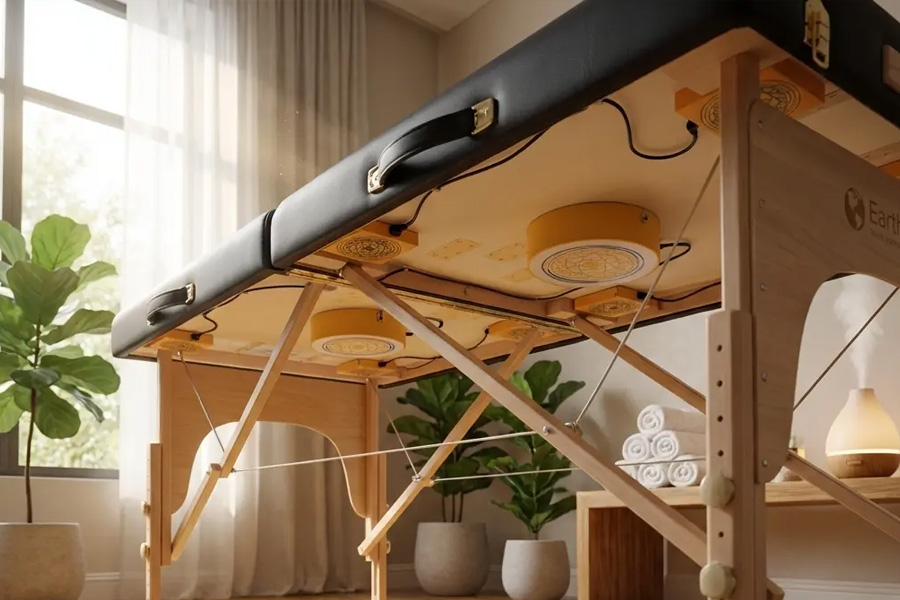
Low-frequency sound vibrations, usually between 30 and 120 Hz, are used in vibroacoustic therapy (VAT) to enhance both mental and physical health. Vibroacoustic therapy operates on a physical basis as opposed to music therapy. Your body’s tissues, muscles, and neurological system are all immediately impacted by the sound waves.
History
In the 1980s, Norwegian researcher Olav Skille developed vibroacoustic treatment after finding that certain sound frequencies might ease pain, drop blood pressure, and ease muscle tension. Since then, vibroacoustic treatment has been investigated in clinical settings for a variety of ailments, including insomnia, PTSD, fibromyalgia, and chronic pain. Today, firms like Vibroacoustic Solutions have brought products that make this therapy much easier.
The two gears of your nervous System
There are two primary modalities of your autonomic nervous system. Your “fight or flight” equipment is the sympathetic nervous system. When you are under stress, it increases your heart rate, tightens your muscles, and releases a lot of cortisol. Your “rest and digest” mechanism is the parasympathetic nervous system. It helps you sleep, calms things down, and encourages recovery.
The majority of us are much too frequently forced into fight-or-flight mode by modern life. Your body was not made to withstand prolonged stress but rather quick bursts of stress. Chronic stress, insomnia, anxiety, and a host of other health issues are the outcomes of an overworked sympathetic nervous system.
Your relaxation switch: The Vagus Nerve
Vagus nerve stimulation is useful in this situation. The vagus nerve, which extends from your brainstem to your stomach, is the longest cranial nerve in your body. It serves as your parasympathetic nervous system’s principal thoroughfare. Your body enters a state of relaxation when it is triggered by a sound bed.
Vibroacoustic therapy uses precisely calibrated sound frequencies to activate the vagus nerve. These low-frequency vibrations cause a vagal response when they enter your body. This causes your heart rate to slow, your blood pressure to drop, your muscles to relax, and your brain to begin creating the peaceful, healing patterns linked to deep rest.
Research found that low-frequency vibrations alter brain connectivity improving sleep quality. Some research also established that Vagus nerve stimulation through vibroacoustic therapy reduces stress and anxiety. Though more studies are emerging, early studies show a positive effect of this therapy on well-being.